Your operation requires consistent cleaning schedules tailored to specific risks, processing volumes, allergen management, and regulatory visits, including verifiable documentation confirming HACCP requirements, compliance audits, and health department standards. The information following give guidance on sanitation program requirements.
Key Takeaways
- Brampton's sanitation specialists support restaurants, grocery departments, commissaries, warehouses, bakeries, schools, mobile vendors, and allergen-sensitive operations.
- They disinfect high-touch surfaces, food-contact equipment, kitchens, floors, drains, restrooms, and storage areas using sectional methods to reduce cross-contamination.
- Confirmation of approved sanitizer dilution, alignment, and exposure duration is executed by approved vendors, with conclusion logged using samples, reviews, and remedial documentation.
- Cleaning timelines should comply with threat, production volume, format changes, spills, and requirements, with routine, weekly, and seasonal tasks distributed by zone.
- Opt for providers with HACCP, public-health, expertise, WHMIS, instruction, insurance, testimonials, color-categorized implements, and audit-ready hygiene documentation.
Which Brampton Facilities Need Food Safety Cleaning?
Brampton facilities that process, store, prepare, package, or distribute food require food sanitation. Implement it if your business is subject to health reviews, food regulations, or HACCP protocols. The obligation covers dining establishments, employee cafes, food distributors, market sections, meat shops, fish counters, local shops, and commercial kitchens.
Compliant food safety cleaning is equally necessary in distribution centers, processing facilities, refrigerated storage, commercial bakeries, school meal programs, event venues, and delivery services. Temporary and mobile businesses matter too, like mobile kitchens, market vendors, and seasonal booths. Your venue demands documented cleaning protocols if your workers prepare supplies, portion completed foods, reheat products, or manage allergen records. In Brampton, hygiene is not optional; it comprises regulatory, business, and safety requirements.
What Services Do Brampton Cleaning Experts Provide?
You need cleaning experts who sanitize high-touch surfaces, kitchens, floor surfaces, and bathrooms to comply with food safety and health regulations. They focus on these spaces because they present the highest risk for contamination spread, slipping risks, and sanitation breaches.
When you know their cleaning scope, you can ensure your operation's cleaning procedures satisfy operational and regulatory requirements.
Prioritizing High-Touch Surface Cleaning
structure disinfection intervals determined by activity levels, infection risk, and how the space is used.
By swapping cleaning materials, following directional systems, and segregating disinfection materials by area, you keep a verifiable, documented, and inspection-ready disinfection protocol.
Food Prep Areas, Flooring, and Sanitary Facilities
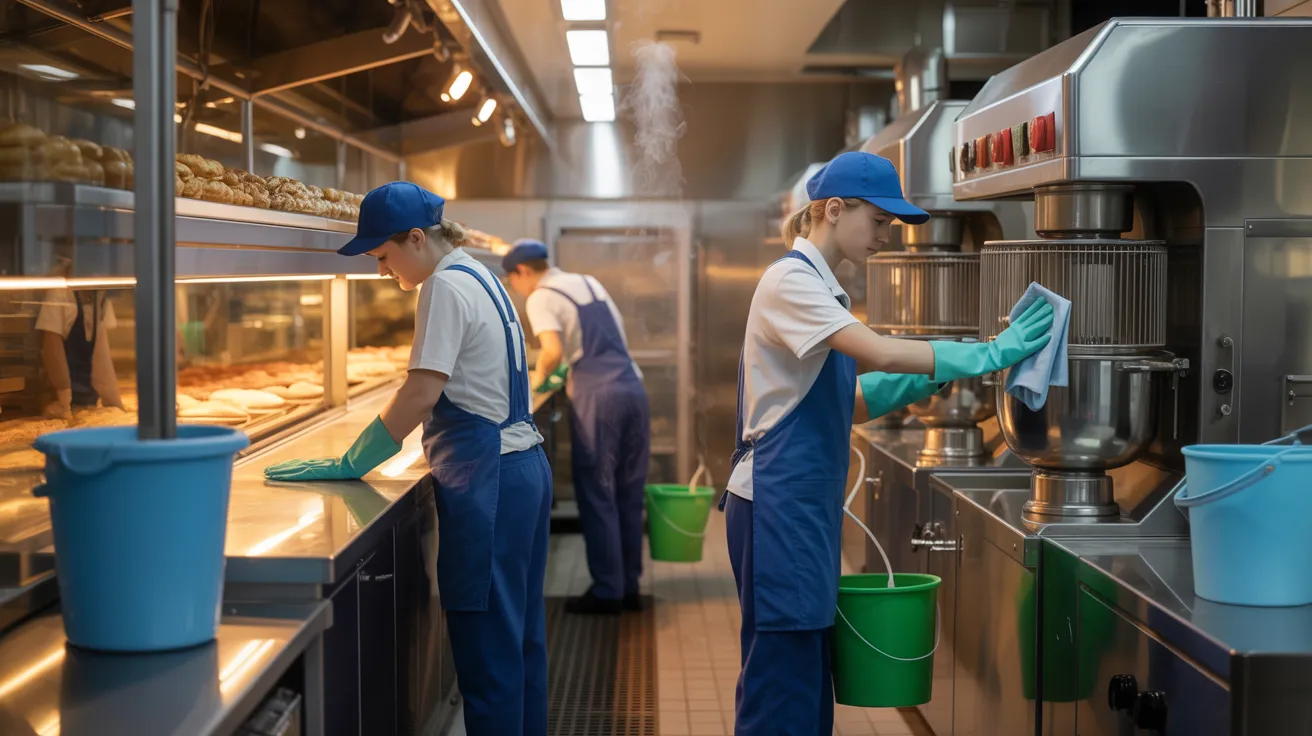
Brampton cleaning professionals will address kitchens, floors, and restrooms since each space presents different food safety concerns, injury, and community health challenges. In industrial kitchens, you need degreasing on cook lines, equipment exteriors, drains, prep surfaces, and splash zones to minimize contamination and pest pressure.
Floor care that is documented should also be anticipated. Technicians scrub and extract buildup from tile grout, ceramic surfaces, and vinyl floors, then apply appropriate drying controls so you can reduce slip incidents and meet regulatory standards. They also address entry points where dampness and dirt enter the building.
In restrooms, cleaners treat contact surfaces, bathroom hardware, partition walls, accessory dispensers, and receptacles then refill supplies and eliminate odor. They also maintain restaurant cleaning supply rooms where product storage, sink cleanliness, and drain systems impact daily sanitation standards and worker protection.
The Importance of Food Safety Cleaning in Brampton
To adhere to health code requirements and succeed in audits, Brampton establishments must maintain food-safe cleaning standards. You also minimize bacterial spread through proper cleaning of food-preparation surfaces, appliances, and frequently-touched items. Most importantly, you safeguard community wellness by reducing the chance of food poisoning in your establishment.
Health Code Compliance
Since Brampton food establishments must follow mandatory safety protocols, your food safety cleaning directly impacts your competence to adhere to health codes, protect diners, and eliminate regulatory penalties. You must maintain clean food preparation areas, documented cleaning schedules, appropriate product handling, and documented employee protocols that comply with municipal and provincial inspection expectations.
When inspectors assess your operation, they check whether your hygiene protocols supports protected inventory management, tool sterilization, refuse management, and washroom maintenance.
Contamination Control
Adhering to health code standards requires your skill in preventing cross-contamination throughout daily food handling and cleaning. You need to isolate uncooked items from finished products, sanitize work stations after each task, and keep chemicals away from food-contact items. Organized systems minimize contamination events and ensure consistent compliance during inspections.
Implementing allergen segregation helps keep priority allergens from contacting shared surfaces, containers, or equipment. Deploy dedicated cutting boards, color-coded tools, and strict utensil labeling so staff don't mix items during preparation or service. Require handwashing after handling fresh proteins, aquatic items, egg products, or allergen materials. Refresh cleaning cloths often, and validate disinfectant levels using test strips. When your team learns these guidelines every shift, you establish a more hygienic, safer workplace that meets Brampton's food safety expectations daily.
Public Health Safeguarding
When food safety cleaning weaken, you don't only face inspection setbacks—you expand the chance of food contamination affecting customers, staff, and the larger Brampton community. You also undermine your responsibility in protecting public health, especially in busy food facilities where pathogens travel quickly through surfaces, equipment, and touchpoints.
You need sanitation procedures that remove soils, disinfect properly, and verify results. That requires adhering to contact times, employing authorized sanitizers, documenting schedules, and educating employees to meet regulatory standards. These measures facilitate disease prevention by reducing pathogens before they reach food or hands. In Brampton, rigorous cleaning protects vulnerable populations, limits outbreak potential, and enables you to show proper care. When you maintain proper standards, you don't just meet regulations—you actively reduce risk and promote secure food handling throughout the region.
How Can Cleaning Practices Ensure Food Safety Compliance?
Committing to rigorous cleaning routines secures food safety compliance by decreasing contamination threats, limiting pathogen development, and keeping your facility aligned with sanitation requirements under HACCP-based programs and public health regulations. You ensure that food-handling surfaces are visibly clean and microbiologically controlled, backing documented preventive controls and inspection readiness.
Conscientious cleaning moreover strengthens allergen control by extracting residues that can trigger undeclared allergen exposure. When you match approved sanitation protocols with safety training, your staff can adhere to established protocols, employ approved chemicals properly, complete records thoroughly, and respond to deviations before issues intensify. Consistent cleaning promotes audit trails, establishes remediation efforts, and proves accountability during audits. Additionally, it assists you protect product quality, maintain compliance standards, and reduce the likelihood of compliance actions, recalls, complaints, and unnecessary public health risks.
When Do You Plan Commercial Cleaning?
maximum production periods, product switches, spill events
daily routines
What Should You Look For in Brampton Cleaning Experts?
Evaluate providers first by food-safe sanitation requirements rather than cost. You must ensure each provider understands CFIA, public health, and HACCP-aligned expectations for your business. Request insurance proof, WHMIS compliance, staff training documentation, and supervision methods. Check technician awareness of contamination prevention, chemical handling, and traceable sanitation records.
You should further examine operational reliability and accountability. Request references from food facilities in Brampton, then review reply speed, corrective action plans, and communication standards. Validate the company supports supplier audits and can present inspection-ready documentation to regulators or third parties. Confirm equipment receives maintenance, colour-coded tools are applied correctly, and site-specific hazards are identified. A qualified provider ensures regulatory compliance, product integrity, and your brand reputation.
What does a cleaning and sanitation plan encompass?
Create a documented strategy that defines every sanitation duty, guideline, and expectation prior to beginning production. You should list cleaning frequencies, approved chemicals, dilution rates, contact times, tools, and verification methods for each area, section, and machine. Don't forget to add pre-operational inspections, corrective actions, and employee training requirements.
Your plan should also cover cross-contamination controls, waste handling, pest-prevention measures, and documented schedules for restrooms, drains, floors, and food-contact areas. Detail how you'll keep raw and prepared foods apart, support ingredient tracking, and ensure accurate allergen labeling through validated cleaning between product changes. You should designate accountability, keep signed records, and review results against regulatory standards, HACCP controls, and customer requirements. When gaps appear, revise procedures immediately and re-educate staff.
Popular Asked Inquiries
Can sanitation providers support overnight shifts in Brampton facilities?
Yes, you can contract sanitation providers to manage nighttime operations in Brampton facilities. You'll manage overnight sanitation around operational windows, access requirements, and staffing levels. Providers generally establish nightshift logistics to minimize interruption, copyright compliance, and log completed work. You should confirm timeframes, oversight, lockout protocols, and waste management before service starts.
Can sanitation professionals manage emergency spill response?
Yes, you can expect Brampton cleaning experts who provide emergency spill response solutions. They handle contamination, assess risks, contain contamination, and begin swift cleanup to minimize risk and avoid operational disruption. You should verify arrival timeframes, training certifications, safety procedures, and waste management. If your facility must comply with industry standards, select a service that records events, follows compliant standards, and supports audit readiness.
Do plant-based disinfectants operate safely on food-contact surfaces?
Yes, natural disinfectants can be safe for food preparation areas if you select products labeled food safe and satisfying regulatory requirements. You should confirm contact times, dilution ratios, and rinse requirements before use. Many natural-based solutions reduce toxic chemical contact, but you still information need demonstration of efficacy against specific pathogens. To maintain residue free surfaces, you should follow precise manufacturer instructions and validate the disinfecting agent complies with food industry regulations.
Will cleaning schedules respond to seasonal variations?
Certainly, cleaning plans adapt to seasonal variations readily. Adjust intervals, labor allocation, sanitizers, and testing procedures to fit with operational cycles while maintaining regulatory compliance. Lower production downtime by timing disinfection around line changes, peak volumes, and usage patterns. Also revise procedural documents, instruction programs, and facility monitoring to account temporary risks, new allergens, or increased soiling. Periodic assessments maintain your strategy current.
Do professional cleaning services educate employees on hygiene standards?
Certainly, professional cleaning experts coach your staff on hygiene protocols. You secure staff training on proper chemical use, processing times, cross-contamination prevention, machine disassembly, and documentation procedures. They generally coordinate instruction with HACCP, GMP, and CFIA or regional health bodies standards. Many also run health assessments to check standards, uncover shortcomings, and strengthen corrective measures. This enables you to copyright standard processes, pass inspections, and reduce food safety risks daily.
Summary
Through working with Brampton food safety and commercial cleaning experts, you accomplish much beyond organizing—you keep your operation prepared for inspections and your standards meet requirements. From kitchen spaces to processing areas, all maintained surfaces and kept corners reduce contamination risks and prevent significant costs. Through booking service at proper intervals and sticking to a solid cleaning plan, you safeguard your team, your patrons, and your standing. In a tightly controlled regulatory landscape, proper sanitation must be a priority—they are fundamental to success.